Your users already told you what's broken.
They asked your chatbot
Nocten analyzes the real questions users ask your chatbot and reveals patterns of confusion, so you know exactly what to fix in your product and documentation.
A smarter chatbot connected to your knowledge sources
Nocten integrates with your documentation, knowledge base, and internal content to give accurate, grounded answers without any manual setup.
Connect all your knowledge sources
Nocten pulls from docs, guides, FAQs, and support content. No special formatting required.
Answers with citations
Every answer includes the exact source sections it used. No hallucinations, no ambiguity.
Automatic PII masking
User names, emails, IDs, and sensitive details are removed before any analysis is done.
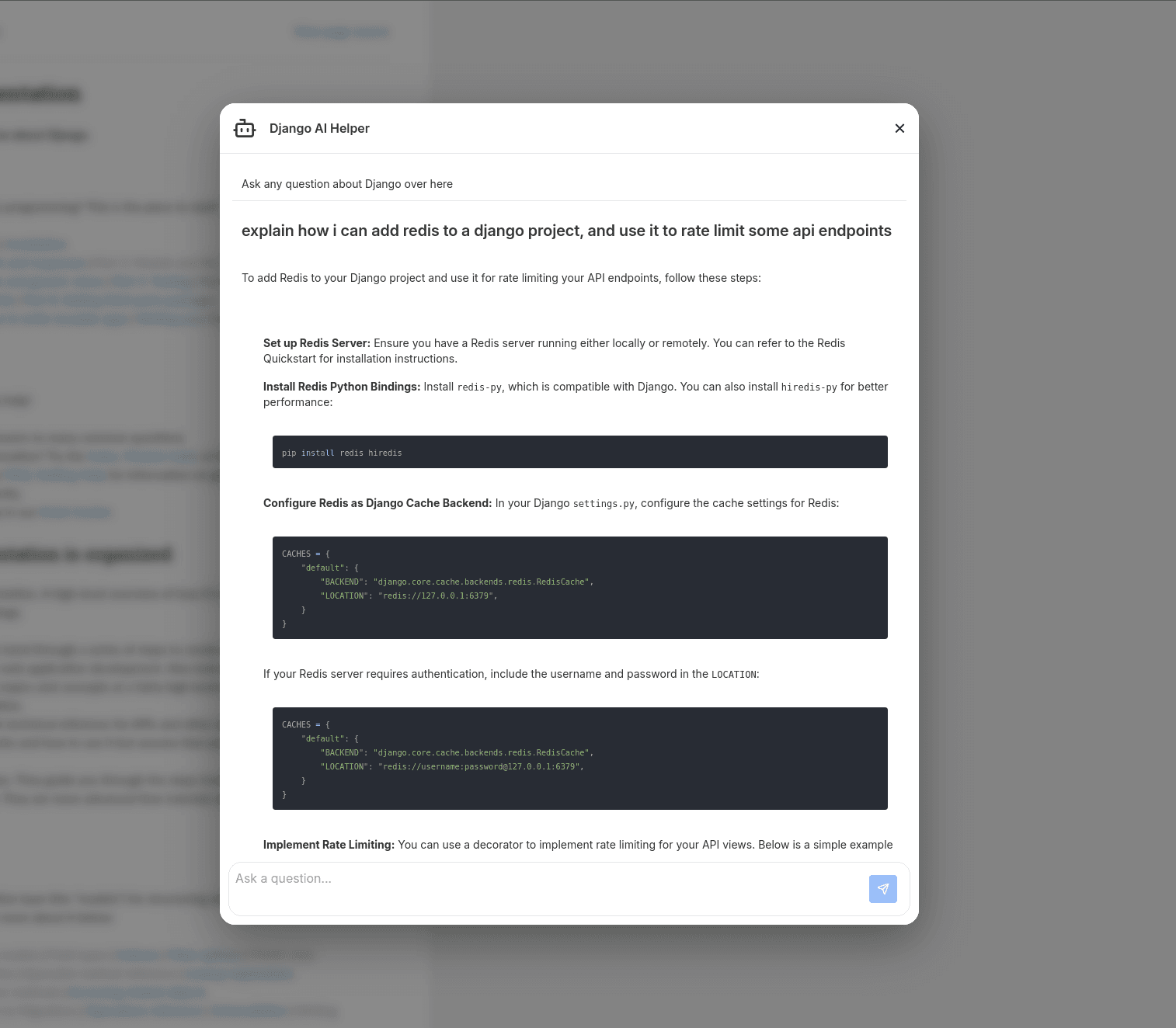
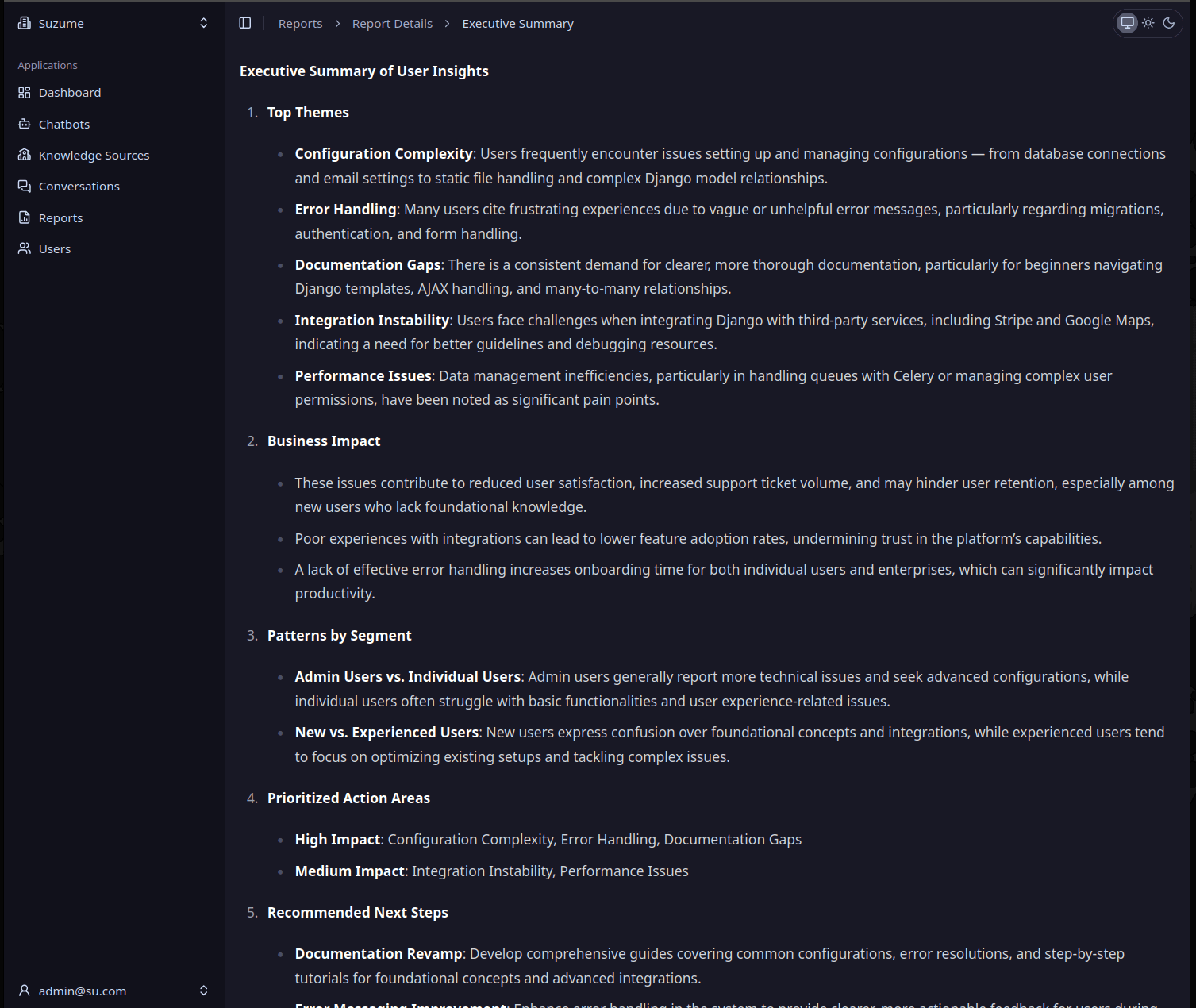
Insights generated from real user queries
Beyond answering questions, Nocten reveals what users struggle with, why they struggle, and what your team should fix first.
Automatic topic clustering
Every user query is grouped into themes. Powered by meaning, not keywords.
Deep reports for each topic
Each cluster includes summaries, confusion patterns, and root causes.
Executive prioritization summary
A high-level overview showing what needs fixing, why it matters, and which issues matter most.
How Nocten Works
From raw chatbot questions to prioritized insights — fully automated and designed to help your team understand real user friction.
Users ask your chatbot
Nocten captures real user questions from your existing chatbot anywhere in your docs or app.
Nocten detects confusion patterns
Our AI groups similar questions and highlights emerging friction without manual tagging.
You get clear insights
Instantly see which workflows or docs cause confusion — and how to fix them.
Who Nocten Is Built For
Nocten is designed for teams that rely on accurate documentation and want to understand real user friction by analyzing actual chatbot questions.
Developer-focused SaaS
APIs, devtools, and technical platforms where users rely heavily on documentation to understand workflows.
Documentation-Heavy Products
Teams with large help centers, onboarding guides, knowledge bases, blogs or product-focused marketing pages used by customers to self-learn.
Support & Success Teams
Teams that want to reduce repetitive questions, improve self-serve efficiency, and understand user friction.
Product & UX Teams
Teams that need to know what users are struggling with — based on real behavior, not guesses or feedback forms.
FAQ
Common questions people ask about Nocten and how it works.
Start understanding what your users struggle with.
Join the early access waitlist and get the first look at behavior-driven documentation insights powered by real user questions.